
What If a Construction Accident Was Caused by Another Company?
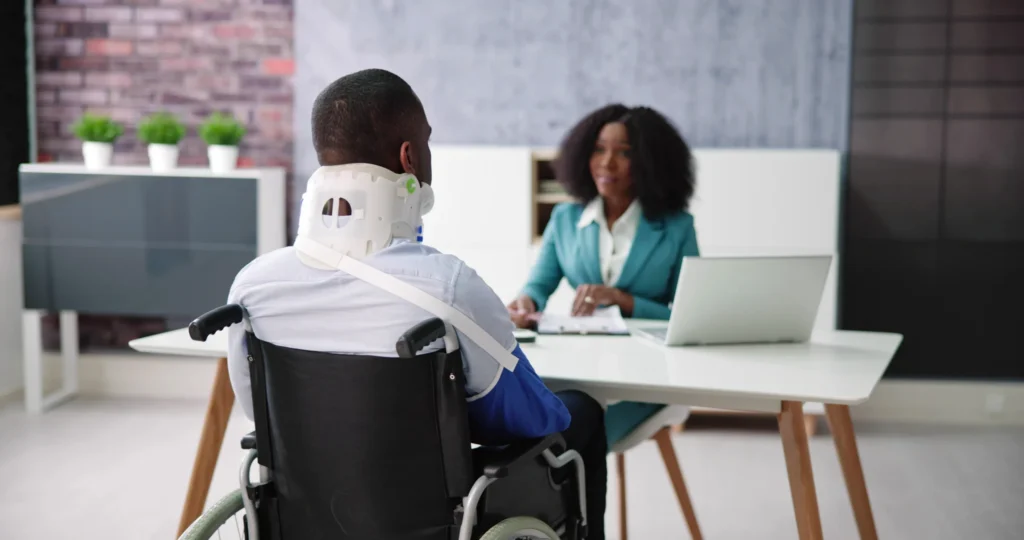
A serious construction injury can leave you facing medical bills, missed paychecks, and uncertainty about returning to work. If another company’s crew or equipment caused the accident, you may also wonder who is responsible and whether workers’ compensation will cover enough of your losses.
Florida law sometimes allows an injured worker to pursue a separate claim while receiving workers’ compensation benefits. On a construction site, however, different employers can share legal protections against lawsuits. The companies’ contracts, insurance coverage, and roles in the accident determine whether an additional claim is available.
Workers’ Compensation and Third-Party Claims Can Coexist
Florida workers’ compensation generally covers employees injured while doing their jobs, regardless of fault. Benefits can include authorized medical treatment and partial replacement of lost wages. An employer that secures the required coverage is ordinarily protected from an employee’s negligence lawsuit.
That protection does not necessarily extend to every business on the project. Under Florida Statutes § 440.39, an employee can receive compensation benefits while pursuing a claim against a legally responsible third party. That claim can seek damages beyond compensation benefits, including pain and suffering and additional past and future income losses.
Which Companies Could Be Responsible?
Responsibility depends on each company’s duties and contribution to the accident. Depending on the facts and applicable immunity, potential defendants include:
- A subcontractor whose crew created a dangerous condition
- A delivery company whose driver struck a worker
- An equipment company that supplied unsafe machinery
- A manufacturer of a defective tool or safety device
- A property owner legally responsible for a hazardous condition
The evidence must establish negligence, a defective product, or another recognized basis for liability, along with a connection to the injury.
Why Another Company Might Have Immunity
Florida’s construction rules can extend immunity beyond the immediate employer. A general contractor may be protected from a subcontractor employee’s negligence lawsuit when it qualifies as the worker’s statutory employer and secures the required coverage.
Under Florida Statutes § 440.10, employees performing a contractor’s subcontracted work can be treated as employed in the same business or establishment.
A subcontractor working with a contractor on the same project or contract work may also have immunity if it has secured coverage for its employees, directly or through the contractor. That protection does not apply when the subcontractor’s own gross negligence was the major contributing cause of the injury.
Gross negligence requires more than ordinary carelessness. Directing work beneath an unstable suspended load despite explicit safety warnings could raise different questions from a momentary mistake. Contracts, coverage records, and accident evidence must be examined before deciding whether immunity applies.
Preserve Evidence Before the Site Changes
Equipment moves and crews begin new tasks quickly. Photographs, site logs, contracts, safety records, and witness accounts can help establish who controlled the work.
Notify your employer promptly. Florida generally requires notice within 30 days of the injury or its initial manifestation, subject to exceptions. Identify witnesses, photograph the area when safe, and preserve relevant messages. Review written statements for accuracy before signing.
Florida generally allows two years for negligence claims accruing after March 24, 2023. Other claims can follow different deadlines, so check the applicable time limit promptly.
How Workers’ Compensation Affects a Settlement
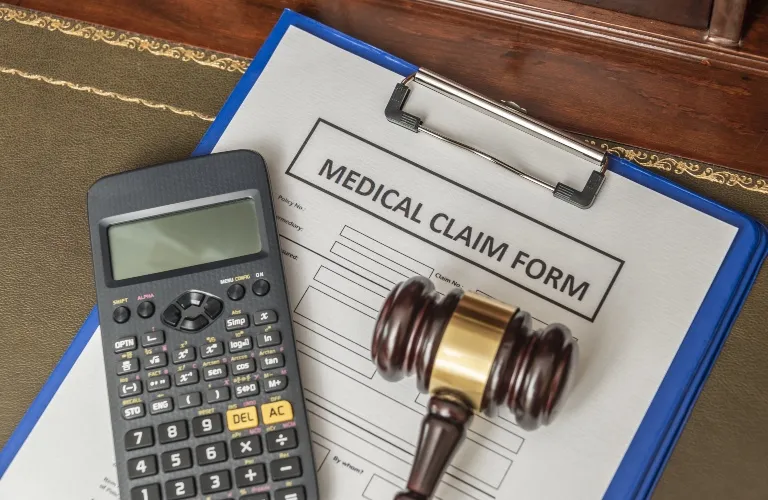
If a third-party claim results in a settlement or judgment, the employer or workers’ compensation carrier may be entitled to repayment of a portion of the benefits provided under § 440.39. That repayment must be considered when assessing how much of the recovery you will receive.
Abraham Law Group can review whether a construction accident claim against another company is available and how workers’ compensation benefits could affect a recovery. Contact Abraham Law Group for a free consultation about your options.