
Miami Condominium Association Negligence Attorneys
When a condominium association, HOA, board, or property manager fails to maintain common elements, unit owners can be left with serious property damage. Roof leaks, cracked stucco, plumbing failures, sewer backups, mold, and water intrusion may cause damage inside a unit – but the association may deny responsibility or delay repairs. Abraham Law Group helps property owners pursue claims involving condominium association negligence and disputed property damage responsibility.
Experienced Representation for Condominium Property Damage Claims
Florida Condo Association Negligence Attorneys
Representing unit owners in association negligence and property damage
claims.
Proven Property Damage Claim Experience
Handling complex condo, HOA, and association negligence claims throughout Florida and Illinois.
Focused on
Association Accountability
We help unit owners establish association responsibility and pursue the compensation they are owed.
Strong Advocacy & Litigation
Strategy
We push back against denials, delays, and associations that refuse to accept responsibility for their failures.
Condominium Association Negligence Claim Services in Florida
When an association fails to meet its maintenance and repair obligations, unit owners can be left to deal with the consequences. Abraham Law Group helps property owners navigate the claims process, establish association responsibility, and pursue fair compensation for the damage caused.
Association Negligence and Common Element Failures
Condominium associations have a legal obligation to maintain and repair common elements, including roofs, exterior walls, plumbing systems, and shared building infrastructure. When an association neglects these responsibilities, the resulting damage – water intrusion, mold, structural deterioration – often ends up inside unit owners’ homes. We help establish that the association’s failure caused the damage and pursue the compensation you are owed.
Denied or Disputed Property Damage Claims
Associations and their insurers frequently dispute whether damage originated in a common element or deny that the association bears any responsibility. If your damage claim has been denied, disputed, or ignored, we review the governing documents, claim history, and applicable policies to challenge that position and advocate for a proper resolution.
Policy Review & Coverage Analysis
Condominium insurance claims often involve both the association’s master policy and the unit owner’s individual policy. Disputes over which policy applies – and which party is responsible for what – are common. We carefully review all applicable policies and governing documents to determine where responsibility lies and how to best pursue your claim.
Negotiation & Litigation
Many condominium association negligence claims can be resolved through negotiation, but not all associations or insurers act in good faith. When they do not, we are fully prepared to pursue litigation to protect your interests and hold the responsible parties accountable.
Who Is Responsible for the Damage?
In Florida, the responsibility for condominium property damage often turns on where the damage originated and what type of property was affected. Condominium associations are responsible for maintaining common elements – the shared parts of the building and property that belong to all unit owners collectively.
Disputes commonly arise over:
- Whether the damage originated in a common element, limited common element, or inside the unit
- Whether the association failed to maintain or promptly repair a known problem
- Whether the association’s delayed response worsened the damage
- Whether a contractor, property manager, or third party acting for the association contributed to the damage
These questions can significantly affect whether a unit owner has a viable claim against the association, and how that claim should be pursued.
Why These Claims Become Complicated
Association negligence claims are often more complex than standard property damage claims. The association may dispute that the damage originated in a common element, argue that the unit owner is responsible for their own repairs, or point to policy language that limits coverage. Meanwhile, the association’s insurer has its own interests that may not align with yours.
Having experienced legal guidance early in the process can help document the source of the damage, preserve evidence, and prevent the association or its insurer from controlling the narrative.
Florida Laws Governing Condominium Associations and HOAs
In Florida, condominium associations and homeowners associations are distinct legal entities governed by separate statutes with different rules, obligations, and insurance requirements. A condominium association governs a condominium community under Chapter 718 of the Florida Statutes, while a homeowners association (HOA) governs a planned community under Chapter 720. Understanding which type of association governs your community is an important first step in evaluating a property damage claim.
Condominiums and condominium associations are governed by Florida Statutes Chapter 718. This chapter covers the rights and obligations of developers and associations, regulations, and required disclosures prior to the sale of residential condominiums and condominium conversions. Florida Statutes Chapter 720 governs homeowners associations, covering association powers and duties, assessments, estoppel certificates, and more.
When pursuing a property damage claim against an HOA or condominium association, the association’s own governing documents – its declaration, bylaws, and rules – may be just as important as state law in determining responsibility. The attorneys at Abraham Law Group are experienced in interpreting these documents alongside applicable statutes and insurance policies.
COA Maintenance Obligations and Insurance Requirements
Florida Statutes 718.111 requires condominium associations to adequately insure the property based on replacement cost appraisals conducted every three years. The relevant standard is replacement cost, not market value, and requirements may differ depending on whether the condominium is developer-controlled or has completed its conversion.
The COA’s responsibility to maintain common elements extends well beyond the grounds and common areas. The association is responsible for the integrity of the roof and exterior walls, and in many cases plumbing and wiring as well. When a leaky roof, cracked stucco, or failed plumbing causes damage inside a unit, the unit owner may have a negligence claim against the COA for failure to inspect, maintain, or repair.
For HOAs, governing documents, not state law, dictate what insurance the board must carry and what coverage is required. Coverage boundaries can vary significantly: some policies cover from the exterior wall inward; others stop at the wall itself. Exclusions for owner upgrades and limited coverage for mold damage are common and frequently become points of dispute.
What To Do After Condominium Property Damage
Photograph and record all visible damage as thoroughly as possible, including where it appears to have originated.
Notify the association about the damage promptly and in writing. Keep copies of all correspondence.
Your declaration and bylaws define the association’s maintenance responsibilities and your rights as a unit owner. Understanding these before any conversation with the association or its insurer is important.
Report the damage to your unit owner’s insurer as well. Even if the association is responsible, your policy may provide coverage in the interim.
Document all damage, repair estimates, invoices, and every communication with the association, its management company, and insurers.
Early legal involvement can help preserve evidence, prevent the association from controlling the framing of the claim, and protect your position before issues become harder to resolve.
Serving Clients Across Florida and Illinois
Florida
Illinois
In addition to these locations, we represent clients in communities throughout Florida and Illinois. Our firm works with clients across each state, including many surrounding cities and communities.
Why Choose
Us?
Clients choose Abraham Law Group because association negligence claims require more than filing paperwork. Our team understands how associations and their insurers evaluate, dispute, and deny property damage claims, and we help unit owners build stronger cases from the start.
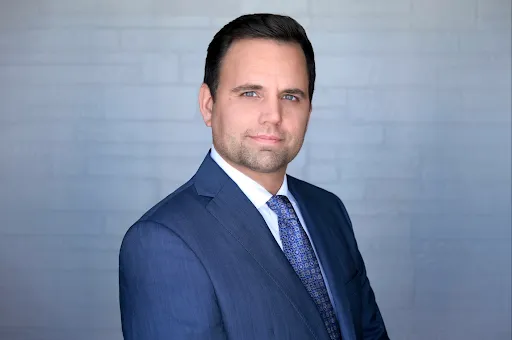
Meet Our Attorney
Joseph Abraham is an experienced insurance litigation attorney with over 18 years of practice, focused on holding insurance companies accountable. He represents individuals, families, and businesses in property damage, personal injury, and wrongful death cases, providing strategic and aggressive advocacy.
He earned his degree from the University of Michigan and his law degree from St. Thomas University, and is licensed in Florida and Illinois. Outside of work, he is a devoted husband and father.
Help With Condominium Association Negligence and Property Damage Claims in Miami
If your home has suffered water damage, mold, structural damage, or other property damage due to a leaky roof, cracked stucco, plumbing failure, or sewer backup, the condominium association may be responsible. Call Abraham Law Group at 305-605-2222 for a free case evaluation.