

Bad Faith Insurance Claim Attorneys
When you purchase insurance, you expect your insurer to honor its promises when a loss occurs. Unfortunately, some insurance companies place profits ahead of policyholders by delaying claims, denying valid losses, conducting inadequate investigations, or offering unfair settlements. When an insurer fails to act fairly and honestly, Florida law provides remedies for policyholders. Abraham Law Group helps homeowners, business owners, and insured individuals pursue bad faith insurance claims throughout Florida.
Experienced Representation for Bad Faith Insurance Claims
Florida Bad Faith Insurance Attorneys
Representing policyholders whose insurance companies have failed to handle claims fairly, honestly, and in good faith.
Proven Insurance Dispute Experience
Handling complex bad faith insurance claims, coverage disputes, and denied property damage claims throughout Florida.
Focused on Holding Insurers Accountable
We help policyholders recover the benefits they are owed and pursue additional damages when insurers engage in bad faith conduct.
Strong Advocacy & Litigation Strategy
Insurance companies have teams of adjusters, attorneys, and experts protecting their interests. We aggressively advocate for policyholders and pursue litigation when insurers refuse to act fairly.
Bad Faith Insurance Claim Services in Florida
Insurance companies have a legal duty to investigate, evaluate, and resolve claims fairly. When they fail to do so, policyholders may have grounds to pursue a bad faith insurance claim.
Insurance Claim Denials
Insurance companies sometimes deny valid claims without conducting a reasonable investigation or providing a legitimate basis for the denial. We review denial letters, evaluate policy language, and pursue the benefits you are entitled to receive.
Unreasonable Delays
Florida law requires insurers to handle claims within a reasonable timeframe. If your insurance company has delayed decisions, payments, or communications without justification, that conduct may constitute bad faith. We help policyholders protect their rights when insurers unnecessarily stall the claims process.
Underpaid Insurance Claims
Insurance companies may acknowledge coverage but offer far less than what is necessary to fully repair or replace damaged property. Accepting an inadequate settlement can leave policyholders responsible for substantial out-of-pocket expenses. We fight for fair compensation based on the true value of the loss.
Failure to Investigate
Insurers have a duty to conduct a thorough and honest investigation before making claim decisions. When they ignore evidence, rely on incomplete inspections, or fail to retain qualified experts, policyholders may have grounds for a bad faith claim.
Misrepresentation of Policy Coverage
Some insurers improperly interpret policy language or misrepresent what coverage applies to a loss. If your insurer has denied benefits based on inaccurate coverage interpretations, we can review the policy and determine whether bad faith conduct occurred.
Litigation & Bad Faith Lawsuits
When insurance companies refuse to honor their obligations, we are prepared to pursue litigation and seek all remedies available under Florida law, including damages that may exceed policy limits in appropriate circumstances.
Understanding Bad Faith Insurance Claims
What Is Insurance Bad Faith?
Insurance companies owe policyholders a duty to act fairly, honestly, and in good faith throughout the claims process. Bad faith occurs when an insurer places its own financial interests ahead of the interests of its policyholders.
Bad faith conduct may include:
- Denying a valid claim without a legitimate basis
- Delaying investigations or claim payments without justification
- Misrepresenting policy provisions or coverage
- Failing to conduct a proper investigation
- Ignoring communications from policyholders
- Offering unreasonably low settlements
- Refusing to settle when liability is reasonably clear
- Applying exclusions that do not actually apply under the policy terms
The Difference Between a Coverage Dispute and Bad Faith
Not every disagreement with an insurance company constitutes bad faith. Insurers are permitted to investigate claims and dispute coverage when legitimate questions exist. The issue becomes bad faith when the insurer’s actions are unreasonable, such as denying a claim without proper investigation, delaying payment without cause, or interpreting policy language in a way no reasonable insurer would support.
Common Types of Bad Faith Claims
Bad faith disputes frequently arise from:
- Hurricane and windstorm damage claims
- Water damage claims
- Roof damage claims
- Fire and smoke damage claims
- Commercial property claims
- Business interruption claims
- Homeowners insurance disputes
- Auto insurance claim disputes
First-Party vs. Third-Party Bad Faith
Bad faith claims generally fall into two categories. First-party bad faith occurs when an insurer mishandles a claim brought by its own policyholder. Third-party bad faith occurs when an insurer fails to reasonably protect its insured while defending a claim brought by another party. Both types of claims are recognized under Florida law but involve different legal considerations and strategies.
Florida Bad Faith Insurance Laws
Florida Statutes § 624.155 allows policyholders to pursue a civil remedy when an insurer fails to attempt in good faith to settle claims when it could and should have done so. In appropriate cases, damages may exceed the policy limits when the insurer’s conduct causes additional harm.
Before filing a bad faith lawsuit, Florida law generally requires policyholders to provide written notice to both the insurance company and the Florida Department of Financial Services. The insurer then has 60 days to cure the alleged violation. Failure to properly comply with this notice requirement can jeopardize a bad faith claim.
Florida’s Unfair Insurance Trade Practices Act identifies a variety of prohibited insurance practices, including misrepresenting policy terms, failing to promptly acknowledge claims, and engaging in unfair settlement practices. Evidence of these violations may help support a bad faith claim.
What Compensation May Be Available?
A successful bad faith insurance claim may allow policyholders to recover more than the original policy benefits.
Potential damages may include:
- Unpaid policy benefits
- Consequential damages caused by delays or denials
- Damages exceeding policy limits in certain cases
- Attorney’s fees and litigation costs
- Punitive damages in appropriate circumstances
The damages available depend on the specific facts of the case, the policy language, and the insurer’s conduct. For more on how these disputes unfold, read our articles on bad faith insurance.
The Bad Faith Claims Process
Policy & Claim Review
We review insurance policies, denial letters, claim files, correspondence, and supporting documentation to evaluate whether bad faith may have occurred.
Investigation
We examine claim handling practices, timelines, communications, and compliance with Florida insurance laws to determine whether the insurer acted improperly.
Filing the 60-Day Notice
We prepare and file the statutory notice required under Florida law, helping preserve your right to pursue a civil remedy.
Demand & Negotiation
We pursue the benefits owed and attempt to resolve disputes efficiently while protecting your rights and maximizing recovery.
Filing a Bad Faith Claim
If the insurer fails to cure the violation, we pursue all available legal remedies under Florida’s bad faith statutes.
Litigation When Necessary
When insurance companies continue to act unfairly, we are prepared to aggressively litigate and pursue the full compensation available under the law.
Put these like:
What To Do If You Suspect Insurance Bad Faith
Save emails, letters, claim documents, and records of conversations with adjusters and insurance representatives. Documentation often becomes critical evidence.
Maintain records of unanswered calls, missed deadlines, and unexplained delays throughout the claims process.
Request copies of inspections, estimates, reports, and claim decisions to better understand how your claim was evaluated.
Photographs, repair estimates, expert opinions, and contractor assessments can help establish the true value of your claim.
Once a release is signed, your ability to pursue additional compensation may be limited. Carefully review any settlement offer before accepting.
Florida bad faith claims involve strict procedural requirements and deadlines. Early legal guidance can help preserve evidence, ensure compliance with statutory notice requirements, and protect your ability to pursue compensation.
Serving Clients Across Florida and Illinois
Florida
Illinois
In addition to these locations, we represent clients in communities throughout Florida and Illinois. Our firm works with clients across each state, including many surrounding cities and communities.
Why Choose
Us?
Clients choose Abraham Law Group because bad faith insurance claims require more than filing paperwork. Our team understands how insurance companies evaluate, delay, and deny claims, and we help policyholders build stronger cases from the start.
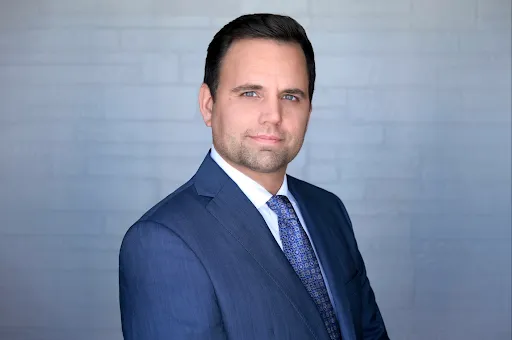
Meet Our Attorney
Joseph Abraham is an experienced insurance litigation attorney with over 18 years of practice, focused on holding insurance companies accountable. He represents individuals, families, and businesses in property damage, personal injury, and wrongful death cases, providing strategic and aggressive advocacy.
He earned his degree from the University of Michigan and his law degree from St. Thomas University, and is licensed in Florida and Illinois. Outside of work, he is a devoted husband and father.
Speak With a Bad Faith Insurance Attorney Today
If your insurer has failed to handle your claim fairly and honestly, you shouldn’t have to fight back alone.
Call Abraham Law Group at 305-605-2222 today to schedule your consultation.
Let our team review your case, explain your options, and help you pursue the compensation you deserve.